
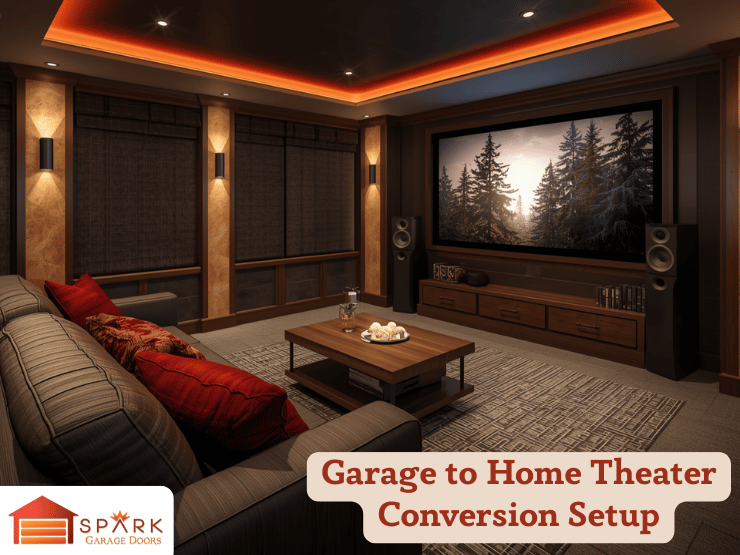
A garage-to-theater conversion is not just about hanging a big projection screen and calling it a day. The real magic comes from sealing the space against light and sound, making it comfortable year-round, and designing it so it feels like a theater the moment you step inside.
Is Your Garage a Good Candidate for a Theater?
Most garages can be converted, but the “how easy will this be?” question depends on your starting point. An attached garage often makes it easier to run electrical and create a clean entrance from the house. A detached garage can be an incredible standalone theater, but climate control and wiring may take more effort.
Ceiling height matters too, especially if you want a projector, a drop ceiling, or tiered seating. If you dream of stadium-style rear seating, you’ll want enough headroom so the back row doesn’t feel cramped.
Before you get excited about speakers and screens, take a realistic look at moisture, temperature swings, and how much noise you can tolerate before it transfers to the rest of the home.
Permits and Planning Before You Build Anything
A garage conversion often shifts a space from storage to a living area, which can trigger building code requirements. Local rules may cover insulation, electrical, egress, smoke alarms, and sometimes even parking requirements. It’s worth checking early because permits can influence your wall construction, electrical plan, and HVAC setup.
Planning is also where you decide what you’re giving up. If the garage is currently your main storage area, you’ll want to address that before demolition starts. The conversion will feel much smoother if storage is already handled elsewhere.
The Garage Door Decision That Changes Everything
The garage door is the biggest challenge for a home theater. It leaks air, sound, and light. It also rattles and flexes, which is the opposite of what you want for good acoustics.
The most “theater-correct” approach is replacing the garage door with a solid wall. That typically means building a stud wall where the door opening is, adding insulation, and finishing it with drywall. This creates a sealed environment that’s easier to climate control and far better for sound containment.
If you want the option to revert the space for resale, some homeowners build a wall in front of the existing garage door rather than removing it. Done well, it still gives you a sealed room, but keeps reversibility in your back pocket.
Sealing the Space for Light and Sound
A good home theater is basically a controlled environment. You want to eliminate outside light and prevent sound from leaking out or coming in.
Light control starts with sealing gaps, upgrading doors, and covering any windows. Blackout treatments help, but the best results come from stopping light at the source through proper framing and sealing.
Sound control starts with insulation and construction choices. Garages are often hollow and reflective. Once you add insulated walls, drywall, and proper seals, the room stops sounding like a concrete box and starts behaving like a theater.
Insulation That Makes the Room Comfortable and Quieter
Garages are notorious for being too hot in summer and too cold in winter. That comfort issue becomes a dealbreaker when you’re sitting through a two-hour movie.
Insulating the walls and ceiling helps stabilize temperature and reduce sound transmission. Soundproofing insulation is especially valuable because it works on two fronts: it makes the room easier to heat and cool, and it helps tame noise.
If your garage has exposed framing, it’s a good opportunity to do insulation correctly before the walls get closed up.
Flooring and the Echo Problem
Concrete floors are tough, but they are acoustically harsh. They bounce sound, amplify footfalls, and create an echo that makes dialogue harder to understand.
Carpet is one of the simplest ways to instantly improve a room. Plush carpet and a quality pad can reduce reflections, soften foot noise, and make the space feel warm and inviting. If you prefer other flooring, you’ll need to compensate with rugs and acoustic treatment elsewhere.
If you want that “real theater” experience, a raised platform for the back row makes a huge difference. It improves sightlines, adds a cinematic feel, and helps create a layered sound environment. A well-built platform also gives you a place to hide wiring cleanly.
Ceiling Choices and Where the Wires Go
Ceilings matter more than people expect. They affect acoustics, lighting, and how clean the final room looks.
A drop ceiling can be a smart move in a garage theater because it hides wiring and allows access later. It also offers opportunities for acoustic improvement depending on the material choices. If you keep a drywall ceiling, it can still work beautifully, but you’ll want a plan for running cables and placing speakers cleanly.
If your ceiling height is limited, the best choice is usually the one that preserves headroom while still allowing a tidy cable strategy.
Electrical and Power: Don’t Wing This Part
A garage theater needs more power than a typical garage. You’ll likely be running a projector or a large display, a receiver or amplifier, streaming devices, subwoofers, and lighting. Some setups also include a mini-fridge or snack area.
Running dedicated circuits is a smart move, so your equipment has stable power and you don’t trip breakers during the best scene in the movie. This is also the stage where you plan outlet locations, projector power, and how you’ll route HDMI and speaker wires without visible clutter.
If you plan to mount a projector, think about power and cable routing to the ceiling location early, before drywall goes up.
Climate Control That Makes It Usable All Year
Most garages were never designed to be comfortable living spaces. Even if you insulate, you still need a way to heat and cool.
A ductless mini-split HVAC unit is a popular solution because it’s efficient, doesn’t require major ductwork, and gives you precise control over temperature. It can make the difference between a theater you use all year and a theater you avoid during weather extremes.
Also, pay attention to airflow and humidity. A sealed room with electronics and people generates heat. Good climate control keeps it comfortable and protects equipment.
Acoustics: The Difference Between Loud and Clear
There’s a big difference between a room that’s loud and a room that sounds good. Garages tend to be echo-heavy because of hard surfaces and open framing.
Acoustic treatment panels help reduce reflections and improve clarity, especially for dialogue. You don’t need to cover every wall to see an improvement, but you do want a plan. The goal is to control echo, so voices sound natural, and the surround sound feels immersive instead of chaotic.
Speaker placement matters too. A surround sound system like 5.1 or 7.1 gives you that wraparound effect, but it only works well if speakers are positioned thoughtfully and the room isn’t fighting you with reflections.
Choosing Your AV Setup
If you want a true theater feel, a projector and screen are hard to beat. A 4K projector paired with a properly sized screen can create that larger-than-life experience that TVs can’t replicate in the same way.
Sound is where the theater becomes believable. A quality receiver with surround sound and a properly placed subwoofer gives impact, depth, and clarity. If you’ve ever watched an action movie with weak sound, you know how quickly it feels flat.
Cable management is worth doing right. A clean setup looks premium and also avoids the everyday annoyance of wires being bumped, loosened, or visible along baseboards.
Lighting That Feels Cinematic Instead of Harsh
Overhead bright lighting kills the theater mood instantly. A cinema vibe comes from controlled, dimmable lighting.
Dimmable LED lighting, wall sconces, or low-profile accent lighting create a warm glow without glare. Many homeowners also love adding subtle step or platform lighting if they build tiered seating. It’s practical and makes the room feel like a real venue.
Wall and ceiling colors matter here, too. Darker finishes reduce glare and make the screen the focal point. It’s one of the easiest ways to make the room feel like a dedicated theater rather than a repurposed garage.
Seating and Layout That Makes People Want to Stay
The best home theaters are the ones you actually want to sit in. Comfortable recliners are popular for a reason. If space is tight, even a well-chosen couch with proper viewing distance can feel great.
Think about sightlines. If you’re doing multiple rows, a raised rear platform helps everyone see without craning their neck. Also, think about where snacks go and whether you want a small counter or mini-fridge area so people aren’t constantly walking through the viewing path.
A Few Extras That Make It Feel Like a Real Theater
Once the essentials are done, the fun details bring the space to life. A small popcorn machine, a mini-fridge, framed movie posters, or a simple concession-style shelf can turn the room from “Nice media room” into “Wow, this feels like a cinema!”
The trick is to keep it intentional. A few curated details beat a cluttered theme every time.
Garage Door Upgrades in Centennial
A garage can become an incredible home theater if you treat it like a proper room conversion rather than a quick entertainment upgrade. Start with sealing and insulation, make a solid plan for the garage door opening, then handle flooring, power, lighting, climate control, and acoustics with care. The result is a space that feels comfortable, sounds immersive, blocks outside distractions, and delivers that theater feeling whenever you want it. If you plan for reversibility and storage early, you can also protect resale flexibility while still building something that feels truly special. Get in touch with Spark Garage Doors Centennial if you require